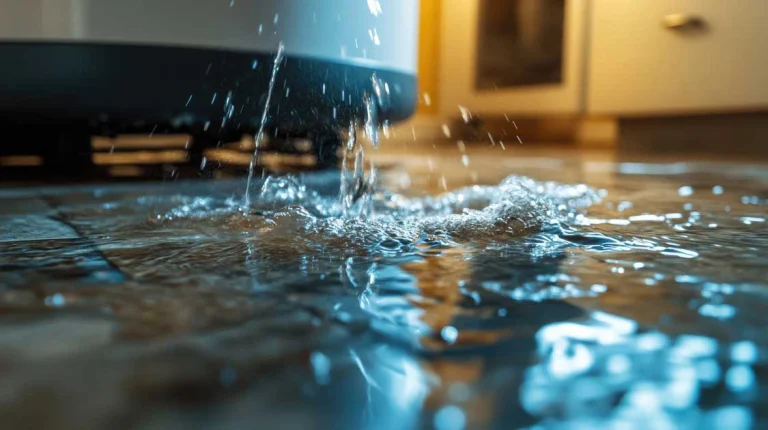
Yes. A refrigerator water line is a straightforward job, and worth doing properly — a failed connection behind a refrigerator can run for days before anyone notices, and it is one of the more common causes of kitchen floor damage.
What the Installation Involves
- Identify a suitable tie-in point on the cold supply, usually under the kitchen sink
- Install a proper quarter-turn shutoff valve — not a saddle valve
- Run tubing to the refrigerator location, protected where it passes through cabinetry
- Connect to the refrigerator with the correct fitting
- Pressurize, check every connection, and run water through until the line clears
- Verify the ice maker fills and the dispenser works
The Detail That Matters: Skip the Saddle Valve
Self-piercing saddle valves are the quick way to tap a water line, and they are the single most common cause of refrigerator water line failures. They clog, they leak at the pierce point, and they are prohibited by code in many jurisdictions. A proper tee fitting with a quarter-turn shutoff costs slightly more and does not fail. If your existing line is on a saddle valve, that is worth replacing regardless of whether it has leaked yet.
Tubing Choice
Braided stainless or PEX rather than the thin plastic tubing that ships with some refrigerators. Plastic tubing kinks behind the appliance and becomes brittle over years.
Worth Considering: Filtration
Albuquerque’s hard water leaves cloudy ice and mineral taste, and it scales the refrigerator’s internal water components. Plumbing the line from an under-sink reverse osmosis system gives you clear ice and noticeably better-tasting water — one of the more satisfying small upgrades in a hard-water home.
Know the Shutoff
Whoever installs it should show you where the valve is. A refrigerator line leak that runs behind the appliance for a week does real damage before anyone sees it.
Contact B. Carlson about kitchen plumbing in Albuquerque.