Repair components; replace tanks. Thermostats, elements, valves, thermocouples, and anode rods are worth fixing at almost any age. But water pooling from the tank body itself cannot be repaired, and past ten years the economics tilt toward replacement regardless of what failed.
Signs That Point to Repair
- No hot water at all — often a thermostat, element, thermocouple, or igniter
- Water not hot enough, or inconsistent temperature
- Rumbling or popping — sediment buildup, usually resolved by flushing
- A dripping T&P valve or drain valve
- Discolored water, which sometimes means a consumed anode rod rather than a failing tank
Signs That Point to Replacement
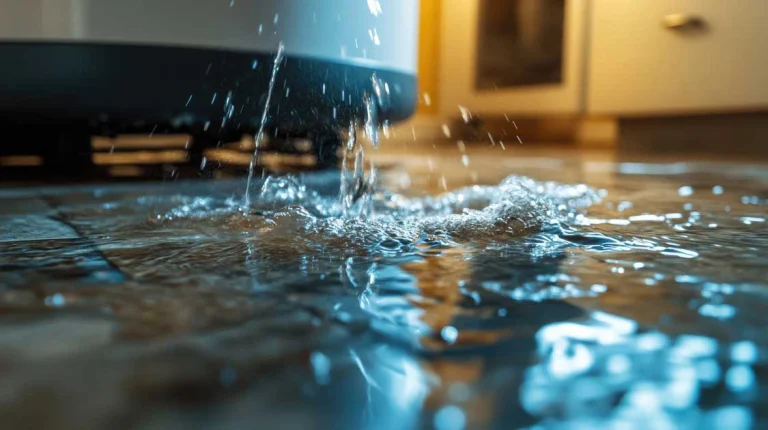
- Water pooling around the base from the tank itself. A corroded tank cannot be repaired. This is not a judgment call.
- Age past 10–12 years combined with any significant failure
- Rust-colored hot water that persists after flushing
- Repeat repairs in a short window
- Running out of hot water sooner than it used to, which usually means sediment has permanently reduced usable capacity
The Albuquerque Timeline
Tanks last 8 to 12 years generally, and our hard water pushes them toward the shorter end unless they have been flushed annually and the anode rod replaced. If yours is at ten years and has never been serviced, treat any failure as a replacement conversation.
The Argument for Replacing Before It Fails
A tank that lets go while nobody is home floods whatever is below it. Planned replacement costs a fraction of emergency replacement plus water damage remediation, and it lets you compare options — including tankless, which lasts roughly twice as long — rather than taking whatever is available that afternoon.
How We Advise
Our technicians quote the repair and the replacement side by side with realistic remaining life, and nobody here works on commission. Financing is available, and a water softener will make the next one last longer.
Contact B. Carlson in Albuquerque and Santa Fe.