Hydrojetting is the right call when clogs keep returning after snaking, when drains are slow throughout the house rather than at one fixture, when you hear gurgling, or when a kitchen line is grease-loaded. A camera inspection confirms whether your pipe can safely take it.
The Signs
- Recurring clogs even after recent cleanings. This is the clearest signal — cabling opened a channel through the blockage but left the buildup coating the pipe wall.
- Slow or backed-up drains throughout the home, which points at the shared branch or main line rather than one trap.
- Gurgling from pipes when another fixture drains — air being pulled through standing water past a partial blockage.
- Persistent odors from sinks or floor drains, often organic buildup on the pipe wall.
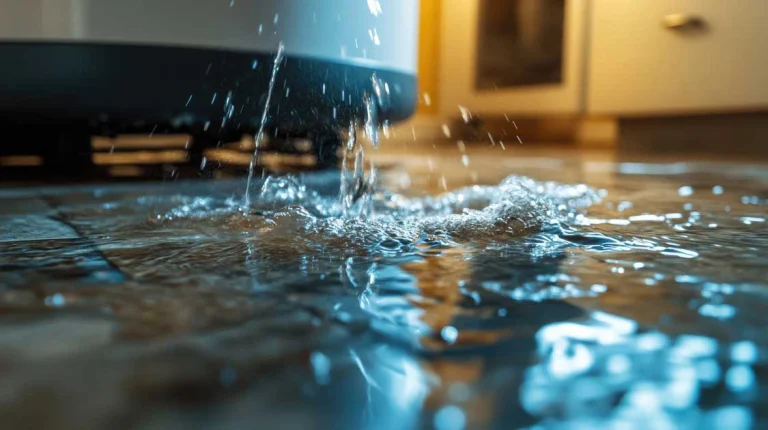
- Water pooling around floor drains or cleanouts.
- A grease-loaded kitchen line, where jetting is clearly superior to cabling.
- Root hairs found on a camera inspection, before they mature into a full blockage.
Why Camera Inspection Comes First
Not every line should be jetted. Hydrojetting is safe on sound pipe of any material at appropriate pressure, but on cast iron corroded thin or clay with separated joints, high pressure can worsen existing damage. A camera inspection shows actual wall condition — and also reveals when a line has a collapsed section or a sag that means it needs repair rather than cleaning.
Why It Comes Up So Often in Albuquerque
Two local factors. Hard water leaves mineral scale that roughens and narrows pipe interiors and makes soap scum stickier. And mature trees in established neighborhoods send roots into laterals through joints and cracks. Jetting handles both — and catching roots at the hair stage is the difference between maintenance and a repair.
Also Worth It as Prevention
Every one to two years for most homes, annually with trees over the line or older pipe. Care Club members get it scheduled.