Most AC emergencies trace back to one of six causes: restricted airflow from a dirty filter or coil, electrical failure (usually a capacitor or contactor), a refrigerant leak, a frozen evaporator coil, a worn compressor or blower motor, or simply years of skipped maintenance catching up all at once.
The Six Usual Culprits
- Restricted airflow. A filter packed with Albuquerque dust starves the evaporator coil. The coil ices over, cooling stops, and the compressor keeps running against a system that cannot breathe. This is the single most common cause — and the easiest to prevent.
- Electrical failure. Start capacitors and contactors are the most-replaced parts in the trade. They sit outside in 100-degree heat and eventually give up, almost always on the hottest day.
- Refrigerant leaks. Air conditioners do not consume refrigerant. If the charge is low, there is a leak — at a fitting, a coil, or a line set. Topping it off without finding the leak wastes money and stresses the compressor.
- Frozen coils. Ice on the indoor coil or the copper line means airflow or refrigerant is wrong. Running the system that way risks liquid refrigerant reaching the compressor.
- Worn motors and compressors. Blower motors, condenser fan motors, and compressors wear out. Sustained heat exposes them.
- Skipped maintenance. Every item above is something a seasonal AC tune-up checks for directly.
Why Albuquerque Is Harder on Air Conditioners
Fine grit blows onto outdoor condenser coils and forms an insulating film, so the system runs longer to reject the same heat. Cottonwood fluff in early summer packs coil fins solid. Extreme dryness is hard on gaskets and seals, and elevation means equipment sized by mainland rules of thumb is often mismatched. A system that would coast elsewhere needs closer attention here.
Warning Signs Before the Failure
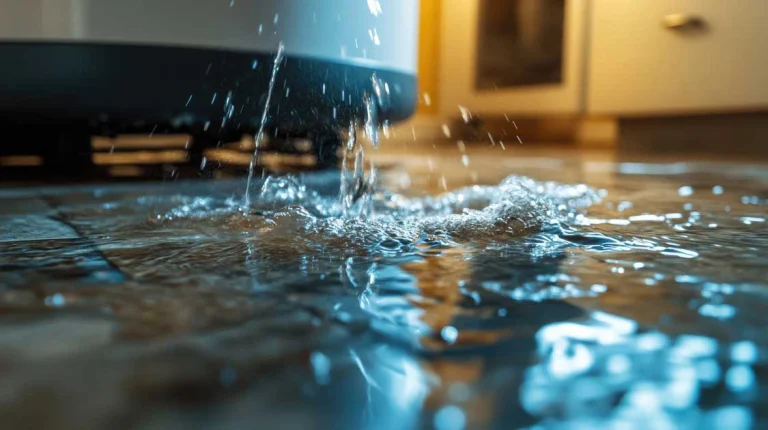
Air from the vents that is cool but not cold, longer run times, a hum or click at startup, water around the indoor unit, or a breaker that trips occasionally — these precede most breakdowns by weeks. Acting on them turns a midnight emergency into a scheduled AC repair.
Prevention That Actually Works
Change filters every one to three months during cooling season, keep two feet of clearance around the outdoor unit, and book a professional tune-up each spring. Care Club members get two visits a year plus priority scheduling. If your system has now failed twice in two seasons, it is worth pricing replacement against another repair.
Contact B. Carlson for AC service in Albuquerque, Rio Rancho, and Santa Fe.