Neglecting a floor drain trap leads to sewer gas entering the building, repeat clogs and backups, water damage to flooring and stored belongings, and eventually corrosion severe enough that replacement means cutting concrete. Most of it is preventable with a gallon of water and an annual look.
Sewer Gas Indoors
The trap holds a water seal that blocks sewer gases. Let it dry out or crack and those gases — methane, hydrogen sulfide, and others — come up through the drain. Beyond the smell, sustained exposure causes headaches and nausea, and in high concentrations sewer gas is genuinely hazardous. This is the most common consequence and the easiest to prevent.
Clogs and Backups
Sediment, lint, grease, and debris accumulate in a neglected trap and restrict flow. A corroded or damaged trap catches material a smooth one would pass through, so clogs recur at the same spot. Since a floor drain is typically the lowest fixture in the building, when a blockage finally happens, this is where sewage surfaces.
Water Damage
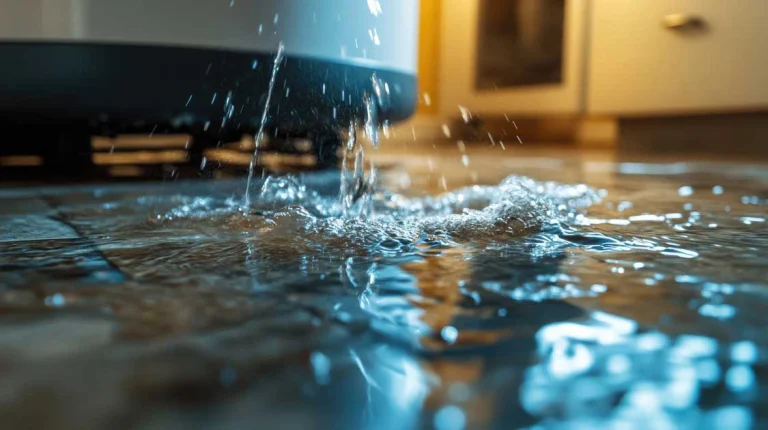
A backing-up floor drain discharges onto the floor — into flooring, drywall, and whatever is stored in the garage, basement, or laundry room. Because these are low-traffic spaces, the water often sits for a while before anyone notices, which is how a drain problem becomes a mold and structural problem.
Structural and Cost Escalation
Older cast iron traps corrode from the inside out, and in slab-on-grade construction — most of Albuquerque — the trap and its connection sit below concrete. Caught early, this is a straightforward repair. Left alone until the trap fails completely, it can mean breaking and repouring slab.
The New Mexico Wrinkle
Our extremely low humidity evaporates trap seals in weeks rather than months. A floor drain in a garage or utility room that nobody uses will dry out and start venting sewer gas without anything actually being broken. Pour a gallon of water down it every month or two; a few ounces of mineral oil on top slows evaporation dramatically.
Prevention
Annual inspection, periodic flushing, and a camera inspection if backups repeat — since a floor drain backing up usually means a sewer line problem, not a floor drain problem.
Contact B. Carlson about floor drains in Albuquerque.