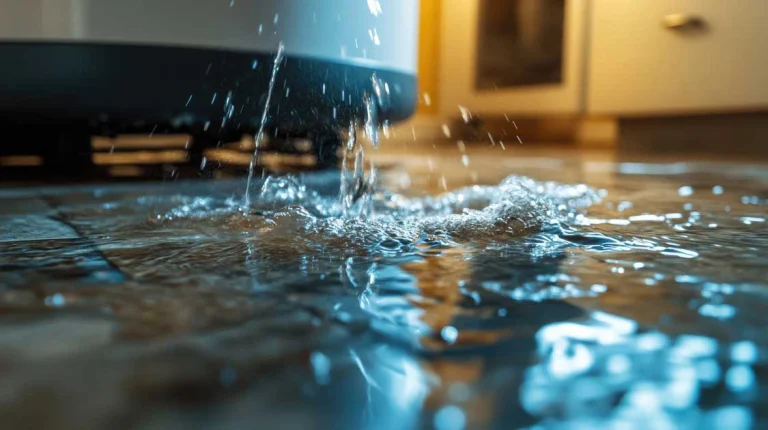
The signs are water pooling where it should not, a pump that runs constantly or cycles on and off rapidly, grinding or rattling noises, visible rust or corrosion, a pump older than about seven to ten years, or one that fails to start when the pit fills.
Signs You Need Service or Replacement
- Water where it should not be. The pump is not keeping up, or not running at all.
- Running constantly. Usually a stuck float switch, an undersized pump, or a discharge line that is blocked so water recirculates back into the pit.
- Rapid cycling. On and off every few seconds means a float adjustment problem or a pit that is too small — and it wears the motor out fast.
- Grinding, rattling, or excessive vibration. Impeller damage or failing bearings.
- Visible rust or corrosion on the pump body or discharge fittings.
- Age past seven to ten years. Sump pumps are consumable equipment.
- It does not start when tested. Pour a bucket of water into the pit — if the float does not trigger the pump, that is a failure waiting for the day you need it.
Where Sump Pumps Matter in New Mexico
Basements are less common here than in wetter climates, but sump pumps matter for homes with basements or below-grade rooms, properties in low-lying areas or drainage paths, homes with high seasonal groundwater, and crawlspaces prone to moisture. Monsoon season is the real test — a summer downpour dumps a large volume in a short time, and a marginal pump fails exactly then.
Test It Before You Need It
Pour a five-gallon bucket of water into the pit. The float should rise, the pump should start, water should clear, and the pump should shut off. Do this at the start of monsoon season and again before winter. It takes two minutes and it is the only way to know the pump works.
Worth Considering
A battery backup pump. Storms cause both the water and the power outage simultaneously, and a primary pump with no power is no protection at all.
Contact B. Carlson about sump pumps in Albuquerque.