Shut off the water first — that single action does more to limit your final cost than anything else. Then kill power to affected areas if it is safe, contain and remove standing water, and move belongings clear.
1. Shut Off the Water
If the problem is at one fixture, close its shutoff — under the sink, behind the toilet, or above the water heater. If you cannot isolate it, or the leak is in a wall or under the slab, close the main. It is usually where the supply enters the building or near the meter at the street. Turn clockwise until it stops.
If you have never located your main shutoff, do it now rather than during an emergency. Confirm it actually turns — old valves seize, and discovering that at 2 a.m. with water pouring into a hallway is the worst possible time.
2. Cut Power If Water Is Near Electrical
Only if you can reach the panel without standing in water. If you cannot reach it safely, leave it and stay clear.
3. Contain and Remove Water
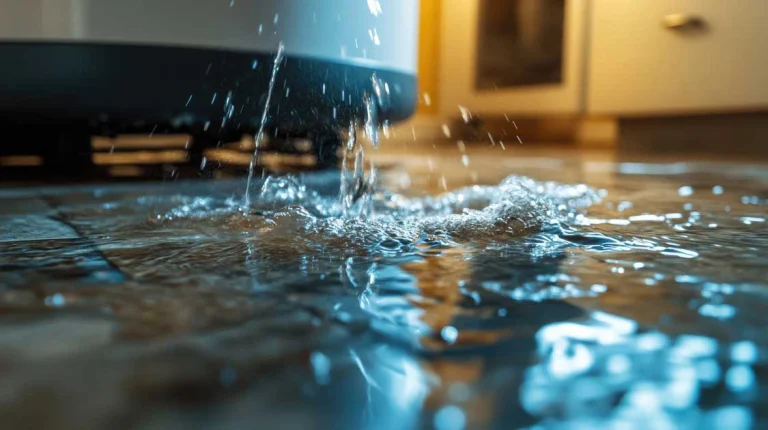
Towels, buckets, a wet vac if you have one. Water damage is a function of time — every gallon you remove in the first hour is drywall and subfloor you do not replace later.
4. Move Things Clear
Furniture, rugs, electronics, boxes, anything on the floor. Lift what you can rather than trying to dry it in place.
5. Open Cabinet Doors
Under affected sinks, to get air moving and slow moisture soaking into cabinet bases.
Specific Situations
Sewage backup: keep people and pets away — that water is contaminated. Stop using every fixture in the house, since each one adds to what is coming up.
Water heater leak: shut off the cold supply valve above it and turn off its gas valve or breaker.
Gas odor: leave the building without touching switches, call the gas utility from outside.
Frozen pipes: shut off the main and open faucets to relieve pressure. Never use an open flame to thaw a line — see frozen pipe repair.
Document It
Photograph the damage before cleanup. Insurance claims go far more smoothly with a record.