Open nights, weekends, and holidays!

Swamp Coolers vs Central Air – A Guide to Staying Cool in New Mexico

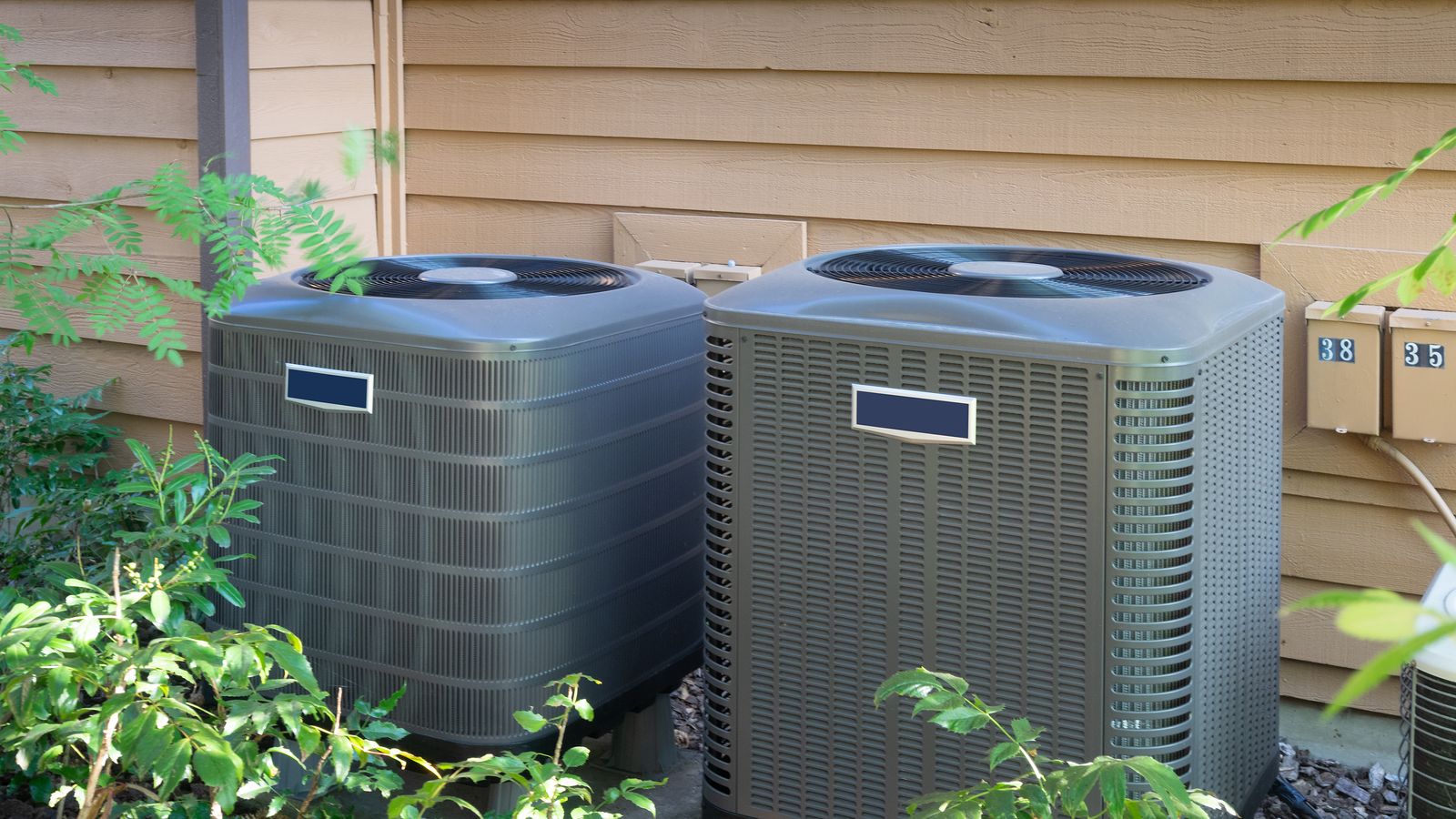
A dual AC system outside a home

Edited: June 5, 2025

When summer turns up the heat in Albuquerque or Santa Fe, your cooling system becomes more than a luxury—it’s your daily companion. But as temperatures rise and the monsoons roll in, many homeowners start asking the same question: Should I stick with my swamp cooler or switch to central air?

At B. Carlson Heating, Air Conditioning & Plumbing, we’ve been helping New Mexicans make that decision for over 50 years. If you’re weighing your options, we’ll break down the differences between these two systems and help you decide what fits your home, comfort level, and energy budget best.

Swamp Coolers vs Central Air – How Do They Work?

Swamp Coolers (Evaporative Coolers)

Swamp coolers are a staple in New Mexico, and for good reason. They work well in dry climates like ours. These systems pull in outdoor air, push it through water-soaked pads, and send cooled air into your home. As the water evaporates, it cools the air and adds just enough moisture to make things feel comfortable during dry stretches.

However, for evaporative coolers to work efficiently, you need good airflow—meaning a few windows must stay open. That’s not always ideal when it’s smoky, dusty, or noisy outside.

Central Air Conditioners

Central air takes a different approach. These systems use refrigerant to draw heat and humidity from the air inside your home, circulating temperature-controlled air through ducts. This creates consistent cooling, even when humidity levels rise during monsoon season.

Since central air conditioners use a closed-loop system, there’s no need for open windows. That means better air quality, less dust, and fewer allergens making their way into your home.

What It’s Like to Use Them Day to Day

In early summer—when the air is dry and the breeze is light—evaporative coolers do just fine. They’re energy efficient, simple to maintain, and budget-friendly. If you don’t mind managing open windows and occasional tune-ups, they can be a solid seasonal solution.

But when high humidity arrives, it’s a different story. Suddenly, your cooler might stop delivering crisp air and start feeling more like a humidifier. If you’ve ever woken up in July feeling sticky and wondering why your cooler sounds like it’s working but isn’t cooling—you’re not alone.

Central AC steps up where swamp coolers fall short. It doesn’t rely on the weather. Whether the outside air is bone dry or 75% humidity, your AC unit keeps things consistently cool and dry inside—quietly, cleanly, and without needing a single window open.

The Real Differences – At a Glance

Choosing between a swamp cooler vs air conditioner depends on your needs. Here’s what sets evaporative coolers and central air systems apart:

  • Initial Cost: Swamp coolers are less expensive to install than central air systems.
  • Operating Costs: Swamp coolers typically use less electricity and can be more cost-effective in the short term.
  • Cooling Power: Central air offers consistent performance regardless of humidity; swamp coolers may struggle when monsoons roll in.
  • Air Quality: Evaporative coolers bring in fresh air, but also dust and pollen. Central air uses filters to reduce allergens and improve indoor air quality.
  • Humidity Management: Swamp coolers add moisture—which can be a bonus in spring, but a hassle in July. Central air removes humidity, keeping indoor air crisp and balanced.
  • Home Comfort Control: Swamp coolers don’t allow for much customization. Central air offers thermostat control—and with zoning or smart tech, you can fine-tune every room.

Which Cooling Unit is Best for Your Albuquerque Home?

If you’re in an older home with good airflow and you don’t mind cracking a window, your evaporative cooler may still get the job done—at least part of the year. But if your house tends to hold in heat, or if the swamp cooler struggles when the weather shifts, it might be time to consider an upgrade.

You may be ready for central air if:

  • You’re tired of opening windows just to make the cooler work
  • Your home feels muggy or sticky during the monsoon season
  • You or someone in your household has asthma, allergies, or respiratory issues
  • You want cleaner indoor air with better filtration
  • You’re planning a remodel or installing new ductwork anyway
  • You’re interested in adding a smart thermostat or zoned comfort

Even if you’re not ready to make a move today, learning your options now can help you plan ahead—especially as local incentives and utility rebates for energy-efficient systems continue to evolve.

Need Help Deciding? Call Your Best Friend in Home Comfort

Choosing between a cooler vs air conditioner doesn’t have to be overwhelming. Our team is here to help you make the right choice—whether that means fine-tuning your current swamp cooler or designing a full central air conversion plan that fits your home and budget.

Call now to schedule your in-home consultation.
Frequently Asked Questions

Evaporative swamp coolers should be serviced at least twice a year, once before the cooling season begins and again after the season ends. Regular maintenance helps ensure efficient cooling, prevents breakdowns, and extends the life of the system.

Why Regular Swamp Cooler Maintenance Matters in Albuquerque

Evaporative swamp coolers rely on clean water flow, properly functioning pads, and unobstructed airflow to cool effectively. Because these systems pull in outside air and use water continuously, they require more routine maintenance than traditional air conditioning systems, especially in Albuquerque’s dry, dusty climate.

Pre-season maintenance prepares your swamp cooler for reliable summer operation. This typically includes inspecting and replacing pads, cleaning the water distribution system, checking the pump and motor, adjusting belts, and making sure the unit is delivering consistent airflow throughout the home. Addressing these items early helps avoid mid-season failures when temperatures are highest.

Post-season maintenance is just as important. Shutting the system down properly at the end of the cooling season helps prevent mineral buildup, corrosion, mold growth, and freeze damage during colder months. It also makes spring startup faster and more predictable the following year.

Regular swamp cooler service improves cooling performance, reduces water waste, and helps extend the life of the unit. Skipping maintenance often leads to weak airflow, poor cooling, unusual noises, or higher repair costs over time.

B. Carlson Heating, Air Conditioning & Plumbing has been servicing evaporative swamp coolers in Albuquerque since 1971. Our technicians understand how these systems perform in local conditions and provide thorough maintenance that keeps swamp coolers running efficiently, season after season.

Yes, an evaporative swamp cooler can be used in conjunction with a traditional air conditioning system to enhance cooling efficiency and reduce energy costs. B. Carlson Heating, Air Conditioning & Plumbing can design and install a system tailored to your specific needs, ensuring the best of both cooling solutions.

If you’re weighing coolers vs air conditioners, this guide breaks down how each system works, what they typically cost to install and operate, and how they perform in real Albuquerque conditions. We’ll also explain when converting from a swamp cooler to refrigerated air makes sense — and when it doesn’t.

Swamp Cooler vs Air Conditioner: How They Work

Evaporative Cooling (Swamp Cooler)

Swamp coolers pull hot outdoor air through water-soaked pads. As the water evaporates, the air temperature drops before it’s pushed into your home. In the high desert, this can work extremely well, especially during long stretches of dry heat. Swamp coolers are simple, energy-efficient, and familiar to many New Mexico homeowners.

The trade-off? As humidity rises, cooling performance drops. That’s why many homeowners notice their swamp cooler struggling during monsoon season.

Refrigerated Air Conditioning (AC)

Air conditioners use a closed refrigeration system to remove heat and humidity from indoor air. A compressor, refrigerant lines, and indoor coil work together to deliver steady, predictable temperatures throughout the house.

In a swamp cooler vs AC comparison, the difference is simple: evaporation versus refrigeration — and consistency versus conditions.

Upfront Cost: Installation and Equipment

In Albuquerque and throughout central New Mexico, installed costs typically fall in these ranges, depending on home size, layout, and system design:

  • Swamp coolers: $1,200–$3,500
  • Central air conditioning: $5,500–$12,000
  • Ductless mini-splits: $4,000–$10,000 (depending on zones)

Why Swamp Coolers Usually Cost Less Upfront

Evaporative coolers are simpler systems. Installation typically involves mounting the unit, connecting a water line, and basic electrical work. Parts are fewer, and labor time is shorter.

Air conditioning installations are more involved. Depending on the system, that can mean installing an outdoor condenser, refrigerant lines, indoor coils or air handlers, duct modifications, condensate drainage, and system balancing. Ductless systems avoid ductwork but still require careful design and multiple indoor units.

If homeowners ask, “Is a swamp cooler cheaper than air conditioning?” upfront, the answer is usually yes. Over time, the answer depends on comfort needs and how often the system can realistically meet them.

Operating and Maintenance Costs

Electricity

Swamp coolers use significantly less electricity because they run a fan and small pump — not a compressor. During dry stretches, that difference can be noticeable on monthly utility bills.

Water

Evaporative cooling uses water, especially during peak summer heat. In Albuquerque, water use is something homeowners increasingly factor into the decision.

Maintenance

  • Swamp coolers: pad replacement or cleaning, pump checks, belt adjustments, seasonal start-up and shut-down
  • AC systems: filter changes, coil cleaning, condensate drain checks, and professional tune-ups

When comparing coolers vs air conditioners, swamp coolers often cost less month to month — but they do require more hands-on seasonal attention.

Performance and Comfort in Albuquerque Homes

Climate Fit

Swamp coolers shine in hot, dry weather — exactly what Albuquerque is known for. But when humidity rises, cooling effectiveness drops fast. Refrigerated air conditioning doesn’t rely on outdoor air conditions, so performance stays consistent.

Temperature Consistency

AC systems maintain steady indoor temperatures throughout the day and across rooms. Swamp coolers can feel uneven, especially in multi-level homes or during changing weather.

Humidity Control

Swamp coolers add moisture, which can feel good early in the season but uncomfortable during monsoon storms. AC removes moisture, which improves comfort, protects finishes, and reduces musty odors.

Air Quality

Evaporative systems draw outdoor air across wet media, which can feel fresh but requires clean pads and proper care to avoid mineral buildup. AC systems filter air to capture particulates; higher-grade filters and add-ons can improve indoor air quality further.

Bottom line: a lower utility bill doesn’t always equal better comfort. Steady temperatures and dehumidification help you sleep better, reduce hot spots, and keep the house feeling balanced.

Quick Comparison

Feature Swamp Cooler Air Conditioning
Upfront Cost Lower Higher
Energy Use Low electricity + water Higher electricity, no water
Climate Fit Best in hot, dry air Works in dry and humid conditions
Humidity Control Adds moisture Removes moisture
Temperature Consistency Variable Stable and precise
Maintenance Seasonal pads, pump, belt Filters, tune-ups, coil cleaning

Is a Swamp Cooler Cheaper Than AC Over Time?

about utilities. It’s also about how often the system meets your needs.

Many Albuquerque homeowners ultimately choose refrigerated air because:

  • Summers are trending hotter and more variable
  • Monsoon humidity lasts longer
  • Comfort expectations change
  • Homes are remodeled or expanded

That’s why the swamp cooler vs air conditioner decision often becomes less about the cheapest option and more about the most livable one.

When Conversion to Refrigerated Air Makes Sense

Converting to AC is often worth considering if:

  • Your swamp cooler struggles during monsoon season
  • You want quieter, more even cooling
  • You’re adding rooms or finishing spaces
  • Heat or humidity sensitivity is a concern
  • You plan to stay in your home long-term

We walk homeowners through central AC and ductless options and help plan conversions that make sense for Albuquerque homes, not generic systems.

How B. Carlson Helps

B. Carlson Heating, Air Conditioning & Plumbing has served Albuquerque and surrounding communities since 1971. We understand the high desert climate, monsoon swings, and the real-world pros and cons of every swamp cooler vs AC decision.

Our team provides:

  • Straightforward guidance based on your home and climate
  • Expert installation for evaporative coolers, central AC, and ductless systems
  • Maintenance that keeps systems efficient and reliable

If you’re asking “Is a swamp cooler cheaper than air conditioning?” or thinking about converting, we’ll explain your options clearly and help you choose what actually works for your home.

Read more blogs...

Call or Schedule Your Service Online!

Need Help? Get the Best in Home Services.