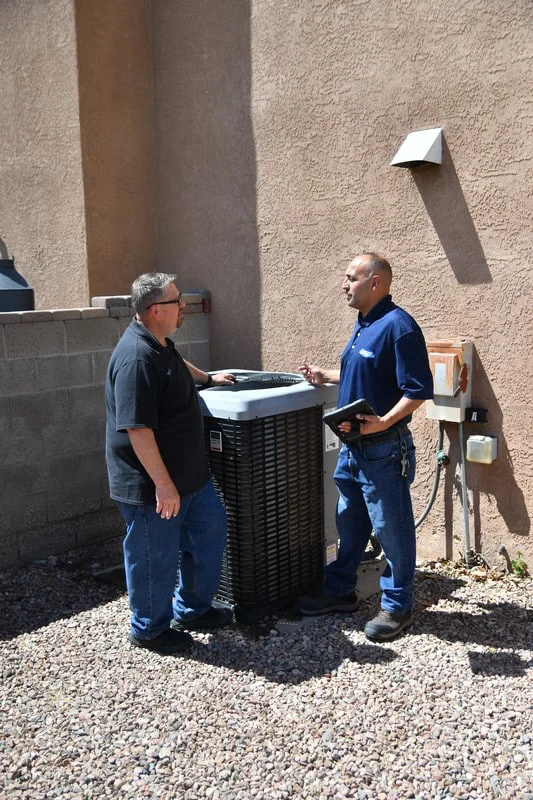
The signs are reduced airflow at registers, lingering odors, uneven temperatures between rooms, higher energy bills, excess humidity or condensation, and new noises from fans or the air handler.
What to Watch For
- Weak airflow at registers. Usually a loaded filter or a dust-caked blower wheel, but it can also be a collapsed flex duct or a failing blower motor.
- Lingering cooking or bathroom odors. Exhaust fans that are not moving enough air, or that vent into an attic rather than outside — a genuinely common finding.
- Uneven temperatures between rooms, pointing at unbalanced airflow, duct leaks, or blocked returns.
- Rising energy bills without a usage change.
- Condensation on windows or damp bathrooms that stay damp, indicating inadequate moisture removal.
- Noises — rattling from loose duct, screeching from fan bearings, or a hum from a motor working too hard.
- Excess dust, which often means return-side duct leaks pulling attic air directly into your supply.
The Easy Check First
Your air filter. A loaded filter is the most common cause of reduced airflow, and in Albuquerque filters load faster than manufacturer schedules assume. Hold it to a light — if light does not pass through, replace it before assuming anything is broken.
Also verify supply and return registers are open and unblocked by furniture or rugs.
The Fan Test
Hold a tissue up to a bathroom exhaust fan while it runs. If it does not hold against the grille, the fan is not moving meaningful air — either it is failing, the duct is disconnected, or it is venting into the attic instead of outside.
What Service Addresses
Blower wheel and coil cleaning, duct inspection for leaks and disconnects, exhaust fan operation and termination, balancing, and control settings. Much of what presents as a ventilation problem is really an air handler or ductwork problem.
Care Club members get scheduled checkups. Contact B. Carlson in Albuquerque.