How Evaporative Coolers Work and When They’re the Right Choice
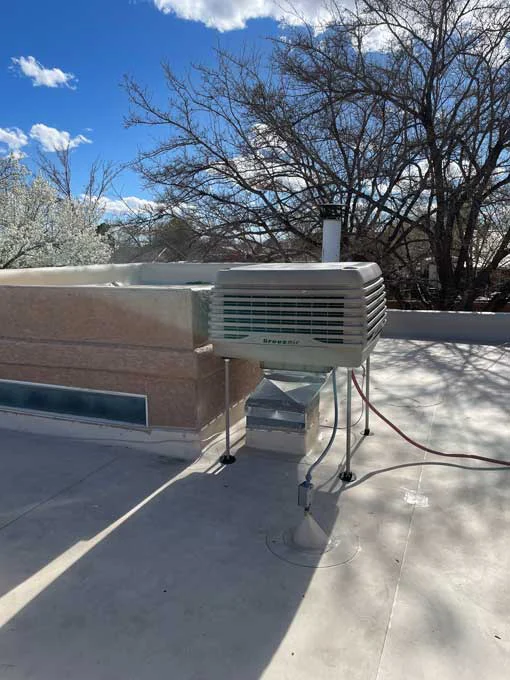
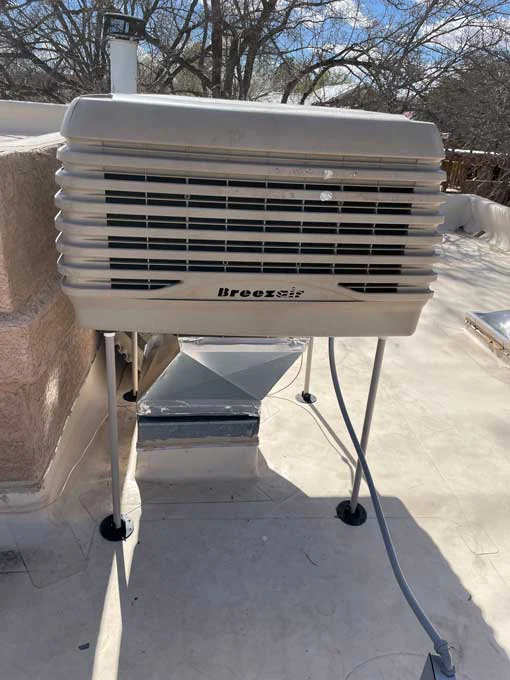
Evaporative coolers offer a simple, efficient way to cool your home, especially in dry climates. Unlike traditional air conditioning, they don’t rely on refrigerants or compressors. Instead, they use water and airflow to naturally lower air temperature.
Here’s how the process works:
- Warm outdoor air is pulled into the unit by a fan
- A pump circulates water over cooling pads
- As air passes through the wet pads, the water evaporates and absorbs heat
- The cooled air is then pushed into your home
Key Components That Make It Work
Understanding the parts of an evaporative cooler helps explain why proper installation and maintenance matter so much.
Typical components include:
- Fan or blower to move air
- Water reservoir or direct water line
- Pump to keep pads saturated
- Evaporative pads (aspen or rigid media)
- Controls for fan speed and water flow
When these components are working together correctly, the system can lower indoor temperatures significantly while using far less electricity than traditional AC. That’s why professional installation, proper sizing, and regular maintenance play such a big role in long-term performance.
In the right conditions, these systems can lower indoor temperatures significantly while using far less electricity than traditional AC.
Where Evaporative Coolers Work Best
While understanding how evaporative coolers work is important, knowing where they perform best helps you decide if they’re the right fit for your home.
Evaporative coolers are especially effective in:
- Dry climates where humidity stays low
- Open or semi-open spaces like garages, workshops, and patios
- Homes with proper airflow and ventilation
- Whole-home systems when properly ducted and sized
When designed and installed correctly, a whole-home evaporative cooler can provide consistent, efficient cooling across multiple rooms. The key is making sure the system is matched to your home’s layout, with the right ducting, airflow balance, and ventilation strategy in place.
That’s where professional installation matters. A properly installed system doesn’t just cool better, it runs more efficiently, lasts longer, and avoids common issues like uneven temperatures or excess humidity.
Evaporative Cooler vs. Traditional AC: What’s the Difference?
At this point, many homeowners start weighing evaporative cooling against a traditional air conditioner. Both systems can keep your home comfortable, but they work in very different ways and perform best under different conditions.
Here’s a simple side-by-side look:
| Feature |
Evaporative Cooler |
Traditional AC |
| Best Climate |
Hot, dry conditions |
Works in all climates, including humid |
| Energy Use |
Lower, uses fan and water pump |
Higher, uses compressor and refrigerant |
| Air Quality |
Constant fresh outdoor air |
Recirculates indoor air |
| Humidity |
Adds slight moisture to dry air |
Removes humidity |
| Installation |
Ducted systems for whole-home cooling |
Fully ducted, sealed system |
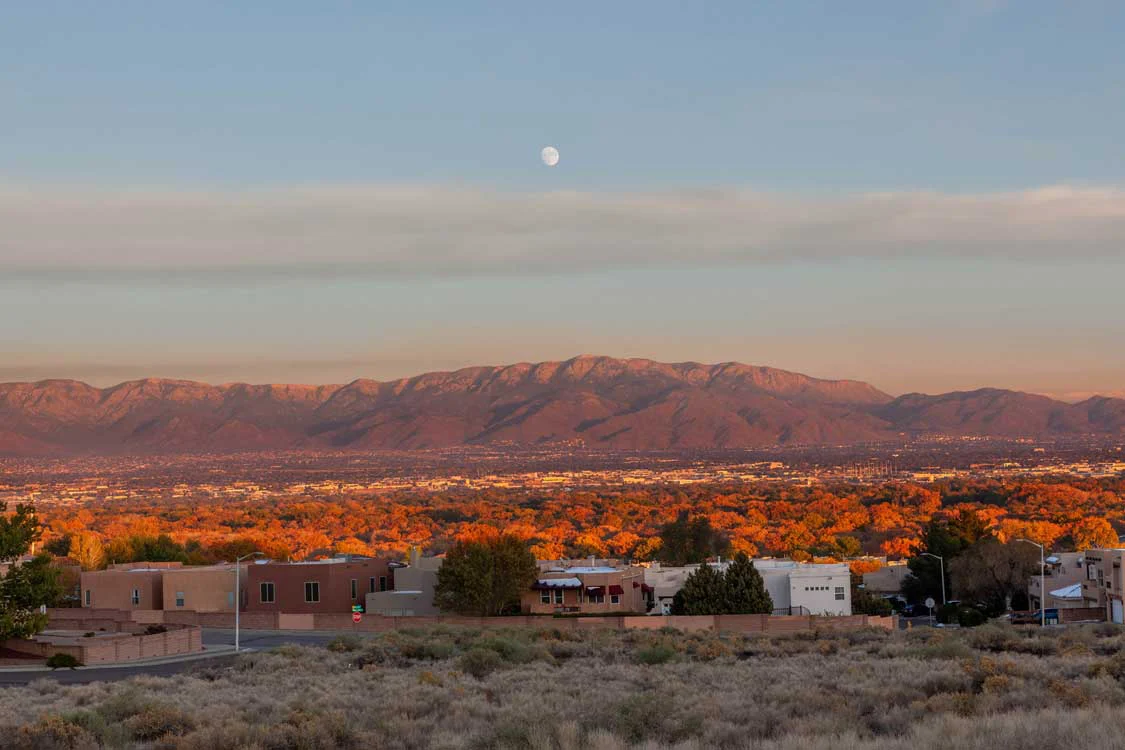
Evaporative coolers are a great fit for homeowners looking to lower energy use and bring in fresh air, especially in dry climates like Albuquerque and across the high desert. That slight increase in humidity can actually make your home feel more comfortable during those hot, dry summer afternoons.
That said, performance can drop during monsoon season or on more humid days, when the air can’t absorb as much moisture. In those moments, a traditional AC system may be the better option.
For many homes in the Albuquerque area, the right solution isn’t always one or the other. It often comes down to how your home is built, how air moves through it, and how you want it to feel throughout the season. That’s where having a knowledgeable local team evaluate your setup can help you get the most out of your system year-round.
When Your Swamp Cooler Isn’t Cutting It Anymore
If your home still feels too hot, your cooler struggles in the afternoon, or your energy bills keep creeping up, you’re not alone. A lot of homeowners deal with systems that just aren’t keeping up anymore, or never quite worked right to begin with.
Maybe you’re noticing:
- Hot spots in certain rooms
- Weak airflow or barely cool air coming through the vents
- A system that runs all day but never quite gets comfortable
- More frequent repairs every season
- Higher energy or water bills than expected
When that starts happening, it’s usually not just “how swamp coolers are.” It’s often a sign the system is outdated, undersized, or wasn’t set up properly in the first place.
A properly installed evaporative cooler should cool your home evenly, run efficiently, and keep things comfortable without constant adjustments.
Upgrade Your Comfort with the Right System
If your current unit isn’t doing its job, upgrading to a newer system can make a noticeable difference. Today’s evaporative coolers are quieter, more efficient, and better at delivering consistent airflow throughout the home.
More importantly, the way the system is installed matters just as much as the unit itself.
That’s where having the right team makes all the difference. We help homeowners:
- Replace older systems that can’t keep up
- Install properly sized, whole-home evaporative coolers
- Improve airflow so every room feels comfortable
- Set up systems that actually work with your home’s layout
For many homes, especially here in the high desert, the right setup can even include a mix of evaporative cooling and AC to stay comfortable through those hotter or more humid stretches.
If you’re tired of dealing with a cooler that just isn’t doing its job, it may be time to take a closer look. Call B. Carlson today for quick evaluation to help you understand what’s going on and understand what it’ll take to finally get your home feeling the way it should.