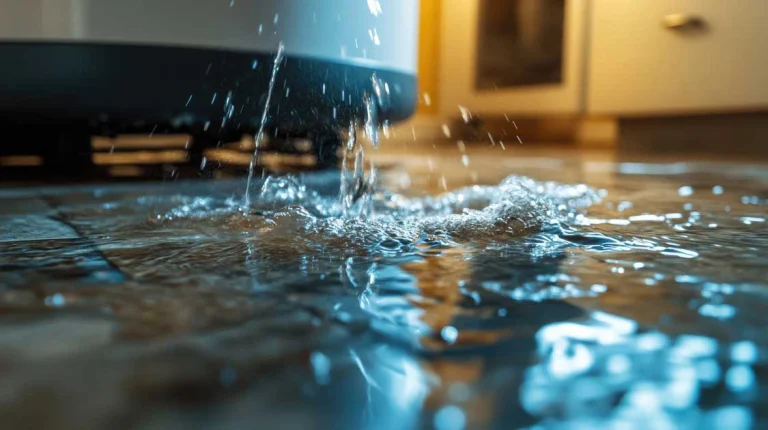
The signs are persistent sewer odor near the drain, water that drains slowly or backs up, repeat clogs at the same fixture, visible rust or cracking on the trap body, and water pooling around the drain. Persistent odor is the most common and the most telling.
What a Floor Drain Trap Does
The trap is the curved section of pipe below the drain that holds a small amount of standing water. That water is a seal — it blocks sewer gases from entering the building. When the trap cracks, corrodes through, or the seal dries out, those gases come up through the drain. That is why odor is the primary symptom.
The Signs
- Persistent sewer smell that returns after cleaning. If it comes back, the seal is not holding.
- Slow drainage or backup at the floor drain.
- Repeat clogs at the same location — a damaged or corroded trap catches debris a smooth one would pass.
- Visible rust, scaling, or cracking on an accessible trap body. Older cast iron traps corrode from the inside out.
- Water pooling around the drain rather than going down.
- Insects or pests near the drain, which get in through a broken or dry seal.
Check the Simple Cause First
A floor drain that rarely sees water — in a garage, laundry room, or utility closet — can simply have a dry trap. New Mexico’s extremely low humidity evaporates that seal faster than it would anywhere humid, which makes this a genuinely common local cause. Pour a gallon of water down the drain; if the smell disappears for weeks, the trap is fine and just needs periodic refilling. A few ounces of mineral oil on top slows evaporation considerably.
When It Is Actually the Trap
If refilling does not fix the odor, or the trap is visibly corroded, replacement is the answer. Older Albuquerque homes often have cast iron traps that rust through after decades, and the failure is frequently below the slab where you cannot see it. A camera inspection confirms the condition before anyone starts cutting concrete.
Do Not Ignore It
Sewer gas is not just unpleasant — it contains methane and hydrogen sulfide. A failed trap also lets debris into the line, which turns into clogs further downstream.
Contact B. Carlson about floor drains in Albuquerque.