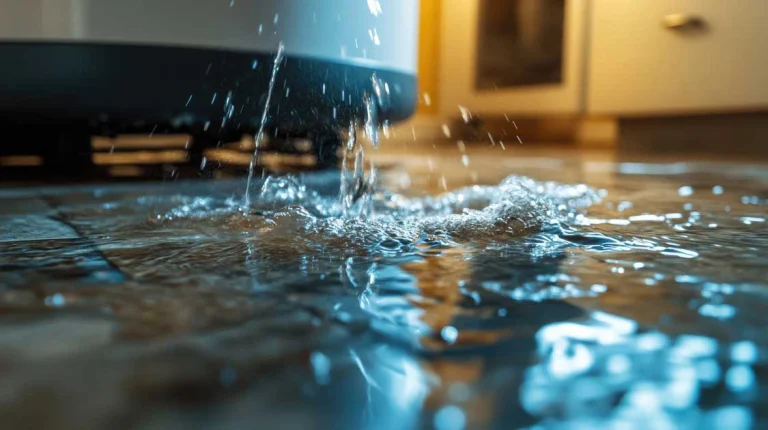
The signs are inconsistent water temperature, rumbling or popping noises, rust-colored hot water, running out of hot water sooner than you used to, moisture or corrosion around the base, and age past ten years. Water pooling under the tank is the one that means replacement rather than repair.
What Each Symptom Points To
- Inconsistent temperature. On electric units, usually a failing thermostat or a lower element buried in sediment. On gas, a gas control valve or thermocouple problem.
- Rumbling or popping. Water boiling underneath a layer of mineral sediment on the tank bottom — the most common noise complaint in Albuquerque, and a direct sign the tank needs flushing.
- Rust-colored hot water. Either a consumed anode rod (replaceable, and worth doing immediately) or a tank that has begun corroding internally (not repairable). Run cold water to confirm the discoloration is only on the hot side.
- Running out of hot water sooner. Sediment has reduced usable capacity, or a heating element has failed.
- Moisture or rust around the base. Investigate immediately — this distinguishes a connection leak from a failing tank.
- A dripping T&P valve. Either the valve has failed or the system is genuinely over-pressurized or overheating. The second possibility needs diagnosis, not just a new valve.
Act on These Immediately
Water pooling from the tank body — shut off the supply and the energy source; a failed tank dumps 40 to 50 gallons. Any gas odor — leave the house, call the gas utility from outside. Scalding-hot water at the tap — the thermostat or control has failed, and that is a burn risk.
Why Albuquerque Heaters Show These Signs Early
Hard water. Mineral sediment insulates the burner from the water above it, so the burner runs longer and hotter, stressing the glass lining until the steel beneath begins to corrode. Meanwhile the sacrificial anode rod gets consumed and is almost never replaced, because most homeowners do not know it exists.
Catching It Early
Annual maintenance flushes sediment, checks the anode rod, and tests the T&P valve — addressing most of the above before you notice it. A water softener treats the cause.