Open nights, weekends, and holidays!
Yes — we’re here for plumbing and HVAC emergencies whenever you call.
A real person answers our phones 24 hours a day, 7 days a week to understand what’s happening and guide you toward the right next step — whether that’s immediate dispatch or the next available appointment during regular hours, including Saturdays.
Not every urgent situation requires a middle-of-the-night dispatch — but many do. When there’s a safety concern, flooding risk, sewer issue, or a major comfort system failure in extreme weather, it should be treated as an emergency.
Emergencies usually fall into one of three categories:
If you’re unsure, calling is always the right move — we’ll walk through the problem and help you decide.
Common emergencies usually fall into two categories — urgent plumbing/drain issues and heating or cooling failures during unsafe conditions. Below is a quick guide to the types of problems we treat as emergencies, along with resources from our blog to help you understand what’s happening.
| Emergency Issue (with Blog Link) | Why It’s an Emergency |
|---|---|
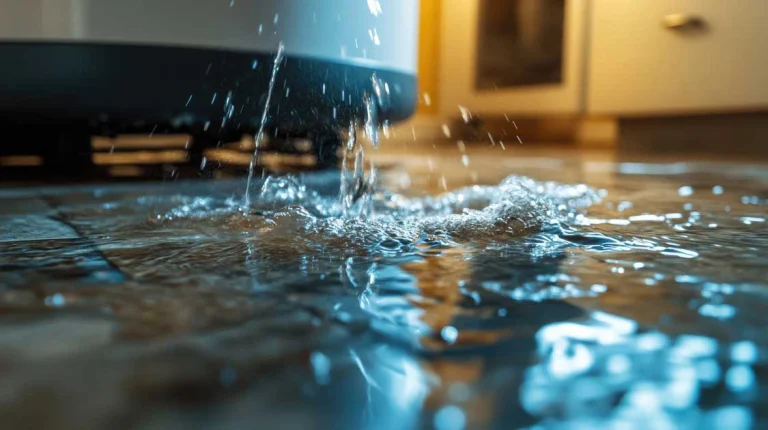
Burst Pipe or Major Leak |
Water escaping where it shouldn’t can lead to structural damage, mold growth, and electrical hazards within minutes. Shut off your water and call immediately. |
Sewer Backup or Strong Sewer Odor |
Sewage backing up into drains or entering your home is a direct health risk. This requires immediate professional attention. |
| No Water or Sudden Loss of Water Pressure | A sudden drop in water pressure or no water at all may signal a broken main line, a major underground leak, or severe blockage. These issues can worsen rapidly and require prompt diagnosis. |
No Heat During Freezing Temperatures |
In freezing weather, losing heat can quickly become unsafe for children, older adults, and pets. This should always be treated as an emergency. |
HVAC Failure During Extreme Heat |
Albuquerque heat can push indoor temperatures to dangerous levels. A sudden AC failure or evaporative cooler blowing hot air during a heatwave is more than uncomfortable — it can be unsafe. |
Burning Smells, Smoke, or Electrical Issues from HVAC Equipment |
These symptoms may indicate overheating, electrical failure, or fire risk. Turn off the system and call immediately for guidance. |
When you’re dealing with an emergency, you need calm guidance and fast help from people you can trust. Here’s what you can expect from B. Carlson:
We know this is stressful — and we’re here to help. Whether it’s plumbing, drains, heating, or cooling, our team will guide you step by step and get you the quickest solution possible.
Call us anytime, and we’ll help you figure out what to do next.
AC maintenance at B. Carlson Heating, Air Conditioning & Plumbing means giving your system a complete check so it’s ready for our hot New Mexico summers. Our technicians look over every essential part of your cooling system — inspecting coils, checking refrigerant levels, tightening electrical connections, testing airflow, and confirming that everything is running safely and efficiently. It’s a thorough service built to keep your AC dependable when temperatures climb. And if we discover that your system needs more than a light cleaning, we’ll walk you through what we found and provide a clear quote before moving forward.
For homeowners who want ongoing protection and savings, our Care Club home maintenance program includes your routine AC tune-ups along with priority scheduling and additional benefits, helping you stay ahead of unexpected repairs.
Evaporative swamp coolers should be serviced at least twice a year, once before the cooling season begins and again after the season ends. Regular maintenance helps ensure efficient cooling, prevents breakdowns, and extends the life of the system.
Evaporative swamp coolers rely on clean water flow, properly functioning pads, and unobstructed airflow to cool effectively. Because these systems pull in outside air and use water continuously, they require more routine maintenance than traditional air conditioning systems, especially in Albuquerque’s dry, dusty climate.
Pre-season maintenance prepares your swamp cooler for reliable summer operation. This typically includes inspecting and replacing pads, cleaning the water distribution system, checking the pump and motor, adjusting belts, and making sure the unit is delivering consistent airflow throughout the home. Addressing these items early helps avoid mid-season failures when temperatures are highest.
Post-season maintenance is just as important. Shutting the system down properly at the end of the cooling season helps prevent mineral buildup, corrosion, mold growth, and freeze damage during colder months. It also makes spring startup faster and more predictable the following year.
Regular swamp cooler service improves cooling performance, reduces water waste, and helps extend the life of the unit. Skipping maintenance often leads to weak airflow, poor cooling, unusual noises, or higher repair costs over time.
B. Carlson Heating, Air Conditioning & Plumbing has been servicing evaporative swamp coolers in Albuquerque since 1971. Our technicians understand how these systems perform in local conditions and provide thorough maintenance that keeps swamp coolers running efficiently, season after season.
Yes. A gas leak from a water heater is dangerous and can lead to fire, explosion, or carbon monoxide exposure. If you smell gas or suspect a leak, leave the home immediately and contact emergency services or your gas provider before having a licensed professional inspect and repair the water heater.
Gas water heaters rely on a controlled flow of natural gas to heat water safely. When that gas escapes due to a faulty connection, damaged gas valve, or internal component failure, it creates a serious safety risk. Even a small leak can allow gas to build up in enclosed spaces, increasing the risk of fire, explosion, or carbon monoxide exposure.
Some homeowners first notice a gas leak by smelling sulfur or “rotten egg” odors near the water heater, while others may hear hissing sounds or experience unexplained pilot light issues. These warning signs should never be ignored. Gas leaks are not something to troubleshoot or repair without proper training and equipment.
In Albuquerque homes, aging water heaters, seismic movement, corrosion, or improper past installations can all contribute to gas-related issues over time. That’s why any suspected gas leak should be treated as an emergency. After the immediate danger is addressed, the water heater should be professionally inspected to determine whether repair is possible or if replacement is the safer option.
B. Carlson Heating, Air Conditioning & Plumbing provides professional water heater repair and replacement services for Albuquerque homeowners. Our technicians are trained to diagnose gas-related water heater problems, make safe repairs, and ensure your system is operating correctly and in compliance with safety standards.
A typical gas line installation can take anywhere from a few hours to a full day. The exact time depends on factors like the length of the line, where it needs to run, the type of appliance being connected, and whether permits or inspections are required.
Gas line installations vary because no two homes or projects are exactly the same. In many cases, installing a gas line for a stove, water heater, dryer, or outdoor appliance can be completed in a single visit. More complex installations, such as longer runs, multiple appliances, or lines that need to be routed through walls or underground, can take longer and require additional planning.
The time it takes to install a gas line is closely tied to cost. Factors like the distance from the gas source, pipe sizing, materials, access, and required permits all influence both how long the job takes and the overall investment. Safety is also a major consideration. Gas lines must be installed, pressure-tested, and inspected properly to ensure there are no leaks and that the system operates safely.
In Albuquerque homes, older gas systems, corrosion, or previous modifications can add complexity to new gas line installations. That’s why professional evaluation is important before any work begins. A licensed technician can assess the existing system, determine the correct pipe size, and design a gas line that safely supports the appliance it’s serving.
B. Carlson Heating, Air Conditioning & Plumbing installs gas lines for Albuquerque homeowners with a focus on safety, code compliance, and long-term reliability. Our technicians explain the scope of the work up front, complete installations efficiently, and ensure everything is tested and operating correctly before the job is finished.
An air handler typically lasts 10 to 15 years when properly maintained. Factors like system usage, air quality, and regular maintenance all affect its lifespan, and older units may become less efficient or more prone to breakdowns over time.
Most air handlers are designed to last around 10 to 15 years, but their actual lifespan depends heavily on how they’re maintained and the conditions they operate in. Regular filter changes, annual HVAC tune-ups, and prompt repairs all help reduce wear on components like the blower motor and coils, which are critical to performance.
As an air handler ages, homeowners may start noticing warning signs such as weak airflow, rising energy bills, uneven temperatures, or frequent repairs. These issues don’t always mean immediate replacement is required, but they often signal that the system is becoming less efficient and more expensive to keep running.
In Albuquerque homes, dust, dry air, and long cooling seasons can put additional strain on air handlers, especially if maintenance has been inconsistent. That’s why lifespan questions are often closely tied to related concerns like air handler repair vs replacement, HVAC efficiency, and cost to replace an air handler — even if those questions aren’t asked directly.
B. Carlson Heating, Air Conditioning & Plumbing has been helping Albuquerque homeowners evaluate HVAC systems since 1971. When an air handler is aging or underperforming, our technicians assess its condition, explain realistic options, and help homeowners decide whether continued repair or planned replacement makes the most sense.