Open nights, weekends, and holidays!

How Long Does an Air Handler Last?

An air handler typically lasts 10 to 15 years when properly maintained. Factors like system usage, air quality, and regular maintenance all affect its lifespan, and older units may become less efficient or more prone to breakdowns over time.

Similar Questions

Frequently Asked Questions

Yes — we’re here for plumbing and HVAC emergencies whenever you call.

A real person answers our phones 24 hours a day, 7 days a week to understand what’s happening and guide you toward the right next step — whether that’s immediate dispatch or the next available appointment during regular hours, including Saturdays.

What Counts as an Emergency?

Not every urgent situation requires a middle-of-the-night dispatch — but many do. When there’s a safety concern, flooding risk, sewer issue, or a major comfort system failure in extreme weather, it should be treated as an emergency.

Emergencies usually fall into one of three categories:

  1. Water that’s running where it shouldn’t be
  2. HVAC equipment that has failed in unsafe conditions
  3. Sewer issues that threaten your health or property

If you’re unsure, calling is always the right move — we’ll walk through the problem and help you decide.

Common Emergencies We Handle

Common emergencies usually fall into two categories — urgent plumbing/drain issues and heating or cooling failures during unsafe conditions. Below is a quick guide to the types of problems we treat as emergencies, along with resources from our blog to help you understand what’s happening.

Emergency Issue (with Blog Link) Why It’s an Emergency

Burst Pipe or Major Leak
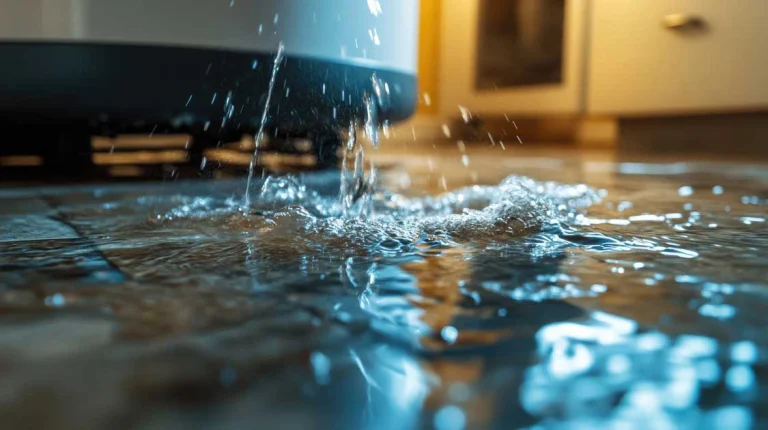
Water escaping where it shouldn’t can lead to structural damage, mold growth, and electrical hazards within minutes. Shut off your water and call immediately.

Sewer Backup or Strong Sewer Odor
Sewage backing up into drains or entering your home is a direct health risk. This requires immediate professional attention.
No Water or Sudden Loss of Water Pressure A sudden drop in water pressure or no water at all may signal a broken main line, a major underground leak, or severe blockage. These issues can worsen rapidly and require prompt diagnosis.

No Heat During Freezing Temperatures
In freezing weather, losing heat can quickly become unsafe for children, older adults, and pets. This should always be treated as an emergency.

HVAC Failure During Extreme Heat
Albuquerque heat can push indoor temperatures to dangerous levels. A sudden AC failure or evaporative cooler blowing hot air during a heatwave is more than uncomfortable — it can be unsafe.

Burning Smells, Smoke, or Electrical Issues from HVAC Equipment
These symptoms may indicate overheating, electrical failure, or fire risk. Turn off the system and call immediately for guidance.

Why B. Carlson is Albuquerque’s Reliable Emergency Team

When you’re dealing with an emergency, you need calm guidance and fast help from people you can trust. Here’s what you can expect from B. Carlson:

  • 24/7 live phone support: No answering machines. No call centers overseas. Just real people who know New Mexico homes.
  • Experienced plumbers, drain specialists, and HVAC techs: Trained to diagnose emergencies quickly and safely.
  • Honest guidance: We’ll tell you when a dispatch is truly needed — and when it’s safe (and more cost-effective) to wait for a scheduled appointment.
  • Local expertise for local homes: With more than 50 years serving Albuquerque and surrounding areas, we understand how New Mexico weather, soil, water quality, and home construction create unique emergency risks.
  • Clear communication, no surprises: We’ll walk you through what’s happening, what to do while we’re on our way, and what to expect next.

If You Think You Have an Emergency, Call B. Carlson Now

We know this is stressful — and we’re here to help. Whether it’s plumbing, drains, heating, or cooling, our team will guide you step by step and get you the quickest solution possible.

Call us anytime, and we’ll help you figure out what to do next.

If you’ve ever wondered what is a boiler or how it actually heats a home, you’re not alone. Many homeowners hear the term but aren’t quite sure what sets a boiler apart from a furnace or a water heater. In simple terms, a boiler is a heating system that uses water to move heat through your home instead of blowing warm air through ducts.

At B. Carlson Heating, Air Conditioning & Plumbing, we help New Mexico homeowners choose, install, and maintain boiler systems built for steady warmth and long-term reliability. This guide breaks down the basics—from how boilers work to what makes them efficient—so you can decide if a boiler for your house is the right fit.

Understanding the Basics: What a Boiler Does

Because water holds heat more effectively than air, boiler systems often feel more consistent and even. Rooms stay comfortably warm without the drafts or hot-and-cold swings that forced-air systems can create.

Boilers can also provide domestic hot water when connected to an indirect storage tank or built as a boiler water heater combination unit. That makes them a two-in-one solution for homeowners who value both comfort and efficiency. A boiler heating system warms water (or turns it into steam) to distribute heat throughout your home. Instead of heating air like a furnace, it circulates heated water through radiators, baseboard panels, or in-floor tubing. As the water releases its heat, it cools slightly and returns to the boiler to be reheated—creating a closed, efficient cycle.

Common Boiler Types

Boilers come in several designs, each with its own advantages depending on your space, fuel availability, and heating goals.

  • Gas-fired boilers: The most common choice for homes in New Mexico. They’re efficient, affordable to operate, and deliver quick, consistent heat.
  • Oil-fired boilers: Typically used in rural areas without natural-gas service. They require a storage tank but offer strong heating output.
  • Electric boilers: Compact and simple to install. They’re a good fit where gas isn’t available or emissions need to be minimized.
  • Steam boilers: Often found in older homes or commercial buildings. They heat water until it becomes steam, which rises naturally through pipes to radiators.
  • Hot-water (hydronic) boilers: The standard for modern homes, circulating warm water through radiators or in-floor loops for gentle, even heating.

A diagram of three types of boilers - electric, combi, and fuel/gas

When we design a boiler for your house, we match the type and size of the unit to your home’s insulation, square footage, and comfort needs—so you get efficient, dependable warmth all winter long.

How a Boiler Heating System Works

Every boiler system follows the same basic steps:

  1. Fuel or electricity powers the burner or heating elements.
  2. The heat exchanger transfers energy to the system’s water.
  3. A circulator pump moves that hot water through pipes to radiators or in-floor coils.
  4. The water releases heat into the living space, cools slightly, and returns to the boiler.

If your system produces steam, the process is similar—only the water is boiled until it vaporizes, travels upward through pipes, and condenses back into liquid as it cools.

Modern boilers also include important safety features like pressure relief valves, low-water cut-offs, expansion tanks, and precise electronic controls. These keep your boiler heating system safe, quiet, and efficient year after year.

At B. Carlson, we take safety and code compliance seriously. Every installation is carefully tested for proper venting, combustion air, and system performance before it ever heats your home.

Key Components of a Boiler System

Knowing the main parts of a boiler can make maintenance and troubleshooting easier:

  • Burner: Mixes fuel and air to create heat.
  • Heat exchanger: Transfers that heat to the system water.
  • Circulator pump: Keeps water moving through the piping loop.
  • Expansion tank: Absorbs pressure changes as water expands.
  • Controls and sensors: Maintain the right temperatures and shut down the system if problems occur.
  • Air separator and vents: Remove air bubbles to keep the system quiet and efficient.
  • Radiators, baseboards, or radiant floors: Deliver the actual warmth into your rooms.

A well-maintained boiler system operates almost silently and lasts decades. That’s why B. Carlson’s annual boiler service includes full inspections, cleaning, safety testing, and efficiency checks to keep things running like new.

Boiler Efficiency: What Really Matters

A boiler’s efficiency determines how much of the fuel it uses actually becomes usable heat.

  • Standard boilers typically achieve 80–85% efficiency.
  • Condensing boilers, which capture extra heat from exhaust gases, can reach 90–98%.
  • Electric boilers convert nearly 100% of their electricity into heat, though overall efficiency depends on local utility generation.

Several factors influence real-world performance:

  • Proper sizing: Oversized boilers waste fuel by cycling on and off.
  • Clean heat exchangers: Dirt or scale buildup reduces heat transfer.
  • Insulated piping: Prevents heat loss before water reaches radiators.
  • Smart controls: Adjust water temperature based on outdoor conditions to save energy.

When we install or service a boiler heating system, we take time to size it correctly, verify combustion settings, and fine-tune controls for maximum comfort and efficiency.

Choosing the Right Boiler for Your House

Selecting a boiler for your house depends on more than just square footage. A professional evaluation looks at:

  • Heat load: The amount of heat your home actually needs, considering insulation and window quality.
  • Hot water demand: Whether you want the boiler to handle both heating and domestic hot water.
  • Fuel availability: Natural gas, propane, oil, or electricity.
  • Distribution type: Radiators, baseboards, or radiant floors.
  • Space constraints: Whether there’s room for a separate tank or if a compact combination boiler makes more sense.

For smaller homes or condos, a combi boiler—which serves as both a space heater and boiler water heater—can be an efficient, space-saving choice. Larger homes often benefit from a system or regular boiler paired with a dedicated hot-water cylinder for higher flow rates.

At B. Carlson, our team walks you through every option, showing you what fits your home, your budget, and your long-term energy goals.

The Benefits of Boiler Heating

Boiler heating isn’t new—it’s been trusted for generations because it works quietly, efficiently, and reliably. Here’s why many homeowners in Albuquerque still prefer it:

  • Even, consistent warmth: Water-based heating eliminates drafts and temperature swings.
  • Better indoor air quality: No ducts mean less dust and fewer allergens blowing around.
  • Quiet operation: Circulator pumps and radiators run almost silently.
  • Zoning flexibility: Different areas of your home can be heated to different temperatures.
  • Long life span: With proper care, a boiler can last 20 years or more.

Hydronic heat also pairs beautifully with radiant floors, which add a luxurious, energy-efficient touch to kitchens, bathrooms, and living spaces.

Keeping Your Boiler Running Strong

Like any appliance, a boiler performs best with routine maintenance. Annual boiler service ensures safety and efficiency while extending system life. A typical tune-up includes:

  • Cleaning burners and inspecting the heat exchanger
  • Checking for leaks or corrosion
  • Testing safety valves and sensors
  • Flushing system water if necessary
  • Verifying combustion and venting performance

These small steps prevent breakdowns, improve efficiency, and keep your heating bills predictable. If you can’t remember the last time your boiler was serviced, it’s time to schedule a visit before winter arrives.

When to Replace a Boiler

Even the best boilers eventually wear out. If your system is more than 15–20 years old, struggles to heat evenly, or shows rising fuel costs, it may be time for an upgrade. New high-efficiency models provide better control, quieter operation, and lower emissions—making them a smart investment for comfort and sustainability.

A boiler heating system replacement also gives you the chance to integrate features like outdoor reset controls, zoning valves, or a combination boiler water heater for added convenience.

Our team at B. Carlson can evaluate your current setup and help you decide whether repair or replacement makes the most sense for your home and budget.

Why Homeowners in Albuquerque Trust B. Carlson

At B. Carlson Heating, Air Conditioning & Plumbing, we’ve been helping New Mexico families stay warm since 1971. Our licensed technicians understand the unique heating challenges of Albuquerque’s climate—cold desert nights, dry air, and older homes with mixed heating systems.

We specialize in:

  • Boiler installation and replacement
  • Boiler repair and annual boiler service
  • Hydronic and radiant floor heating
  • System upgrades for better efficiency and comfort

Whether you need a brand-new boiler for your house or want to bring an older system up to modern standards, you’ll get transparent recommendations, expert workmanship, and long-term support from a team that treats your home like our own.

Ready to Learn What Boiler System Fits Your Home?

If you’re asking yourself “what is a boiler and is it right for my house?”—our team is here to help. From design and installation to ongoing boiler service, B. Carlson Heating, Air Conditioning & Plumbing provides everything you need for dependable, efficient heat in every season.

Schedule your appointment online or call today to talk with one of our friendly, knowledgeable technicians. We’ll help you find the boiler heating system that fits your home perfectly—because at B. Carlson, your comfort and confidence come first.